

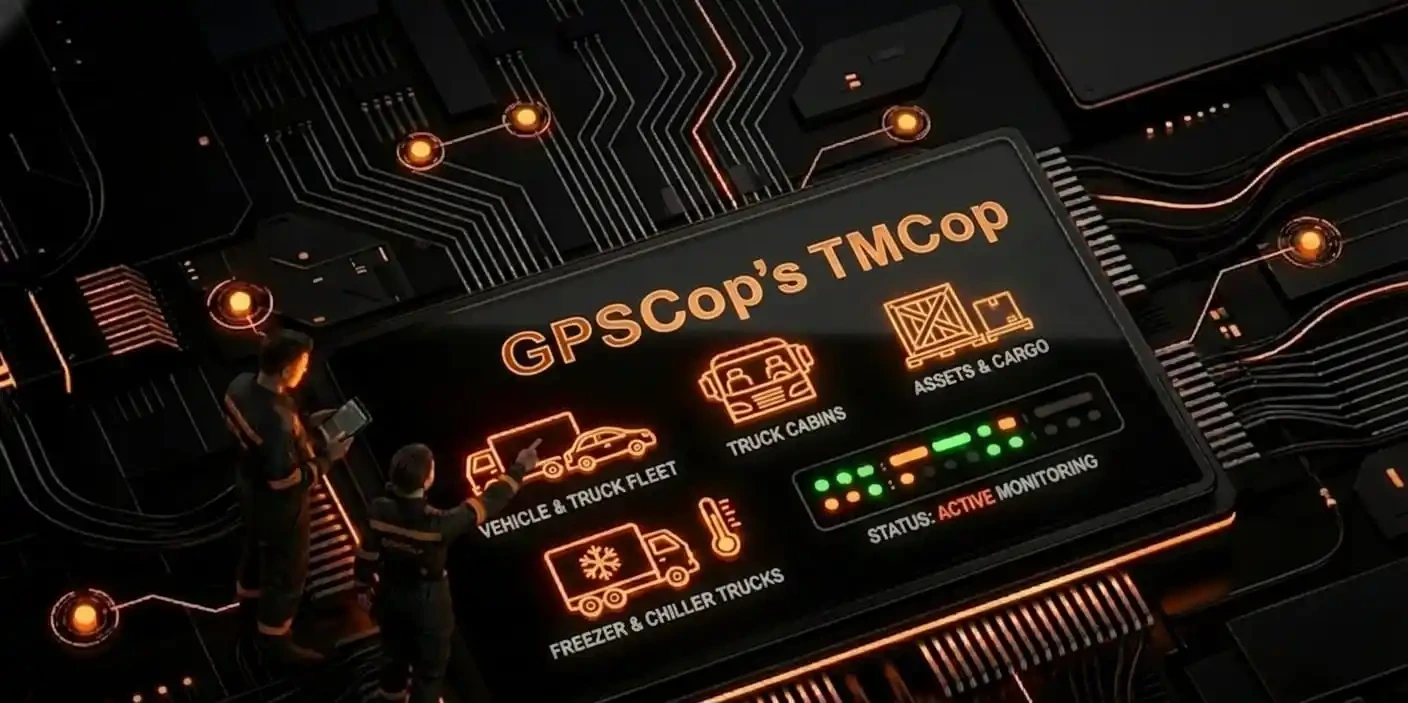
Maintaining the safety, quality, and integrity of temperature-sensitive products is becoming increasingly challenging in today's fast-moving supply chain. Industries like pharmaceuticals, food and beverage, dairy, frozen goods, and biotechnology rely heavily on accurate temperature tracking from end to end. Even a small increase in temperature can spoil vaccines, reduce food freshness, or lead to massive financial losses. This is why businesses across the world are shifting from manual methods to a modern Temperature Monitoring System that ensures precision, transparency, and accountability at every step.
Cold chains operate in a demanding environment where continuous visibility is not optional — it is essential. Traditional logbooks, manual checks, or relying on warehouse staff cannot deliver the level of accuracy required for compliance or product safety. With advanced sensors, cloud connectivity, and automated alerts, real-time technology has become the backbone of modern cold chain operations.
Why Temperature Matters So Much in the Cold Chain
Products like vaccines, lab samples, fresh foods, meats, and seafood are extremely sensitive to temperature changes. When the temperature deviates even slightly beyond the ideal range, the chemical composition or nutritional value of the product can be affected.
Common issues businesses face include:
- Spoilage due to unnoticed temperature fluctuations
- Loss of stock during transportation
- Non-compliance with pharmaceutical or food safety regulations
- Difficulty proving product quality during disputes
- No proper audit trail for quality checks
- Delayed reactions to temperature changes
This is where real-time temperature monitoring becomes a game-changer. It provides instant visibility that helps organizations respond within minutes instead of hours.
The Need for Real-Time Visibility in Every Cold Chain
Modern supply chains expect transparency. Customers want assurance. Regulators demand proof. And businesses need control. A real-time monitoring system helps cold chain companies reduce wastage, avoid compliance penalties, and maintain consistency across all storage and logistics stages.
Unlike traditional systems that show data only after manual entry, real-time monitoring works continuously, sending live temperature data through IoT sensors, cloud servers, and mobile dashboards.
This ensures:
- No blind spots
- No guesswork
- No delayed decisions
- Just accurate, actionable insights whenever you need them
How Real-Time Temperature Monitoring Works
A real-time monitoring setup includes:
- Digital sensors placed in warehouses, freezers, and refrigerated trucks
- IoT devices transmitting data to the cloud
- Mobile and web dashboards for live tracking
- Automatic alerts for deviations
- Reports and analytics for audits
During storage, distribution, or transport, these sensors constantly measure temperature and humidity. If the temperature crosses the safe threshold, the system immediately sends SMS, app notifications, or email alerts so that the issue can be fixed instantly. This is particularly important in cold chain temperature monitoring, where delays of even 10–15 minutes can cause irreversible damage.
Machine learning and automation also help businesses predict risks before they occur. Instead of reacting to spoilage, companies can prevent it — saving time, money, and reputation.
Key Benefits of Using Smart Monitoring in Cold Chain Operations
1. Ensures Quality & Safety
Real-time data ensures sensitive items remain within safe temperature ranges throughout their journey.
2. Regulatory Compliance
Industries like pharmaceuticals, FMCG, and food distribution must follow strict guidelines. These systems maintain a digital audit trail you can present anytime.
3. Reduces Spoilage & Financial Loss
Instant alerts prevent unnecessary waste. If a freezer door is left open, the team knows immediately.
4. Complete Transparency for Customers
Businesses can share reports with buyers, demonstrating that products were maintained properly from start to finish.
5. Improved Operational Efficiency
Automated logging reduces manual work. Teams focus on decision-making, not record-keeping.
Importance of Humidity & Multi-Parameter Monitoring
Some cold chain products are not only sensitive to temperature but also to humidity. Excess moisture can damage medicines, reduce food shelf life, and impact chemical stability.
That's why companies prefer using a temperature and humidity monitoring system, which tracks both parameters with high accuracy. This ensures products remain in perfect condition throughout storage and transit.
Applications Across Different Industries
The need for advanced monitoring extends across multiple sectors:
- Pharmaceutical logistics
- Frozen food distribution
- Hospitals and laboratories
- Vegetables, fruits, and dairy supply
- Seafood and meat exports
- Chemical and biotechnology transportation
- Retail warehouses and supermarkets
In sectors like food and beverage, temperature monitoring for cold storage ensures that freezers, chillers, and refrigerated rooms maintain the optimal range.
Why Cold Chains Must Upgrade Now
The global cold chain is growing rapidly, but so are customer expectations. Businesses are judged not only by price but by transparency, safety, and reliability. With increasing digital adoption, real-time monitoring has become a standard — not an option.
Upgrading to a real-time system helps you:
- Build customer trust
- Strengthen compliance
- Reduce operational risks
- Minimize product damage
- Improve reporting and accountability
Cold chain businesses that adopt real-time technology stay ahead of the competition — and those that ignore it eventually face higher losses.
Conclusion
Supply chains that handle perishable or sensitive products must adopt reliable temperature monitoring for a cold storage setup to protect quality and reduce risk. Real-time systems help businesses maintain product integrity, react instantly to deviations, and build trust with customers and regulators. By combining IoT sensors, cloud software, and automated alerts, companies can eliminate blind spots and ensure flawless cold chain operations from start to finish.