

Introduction
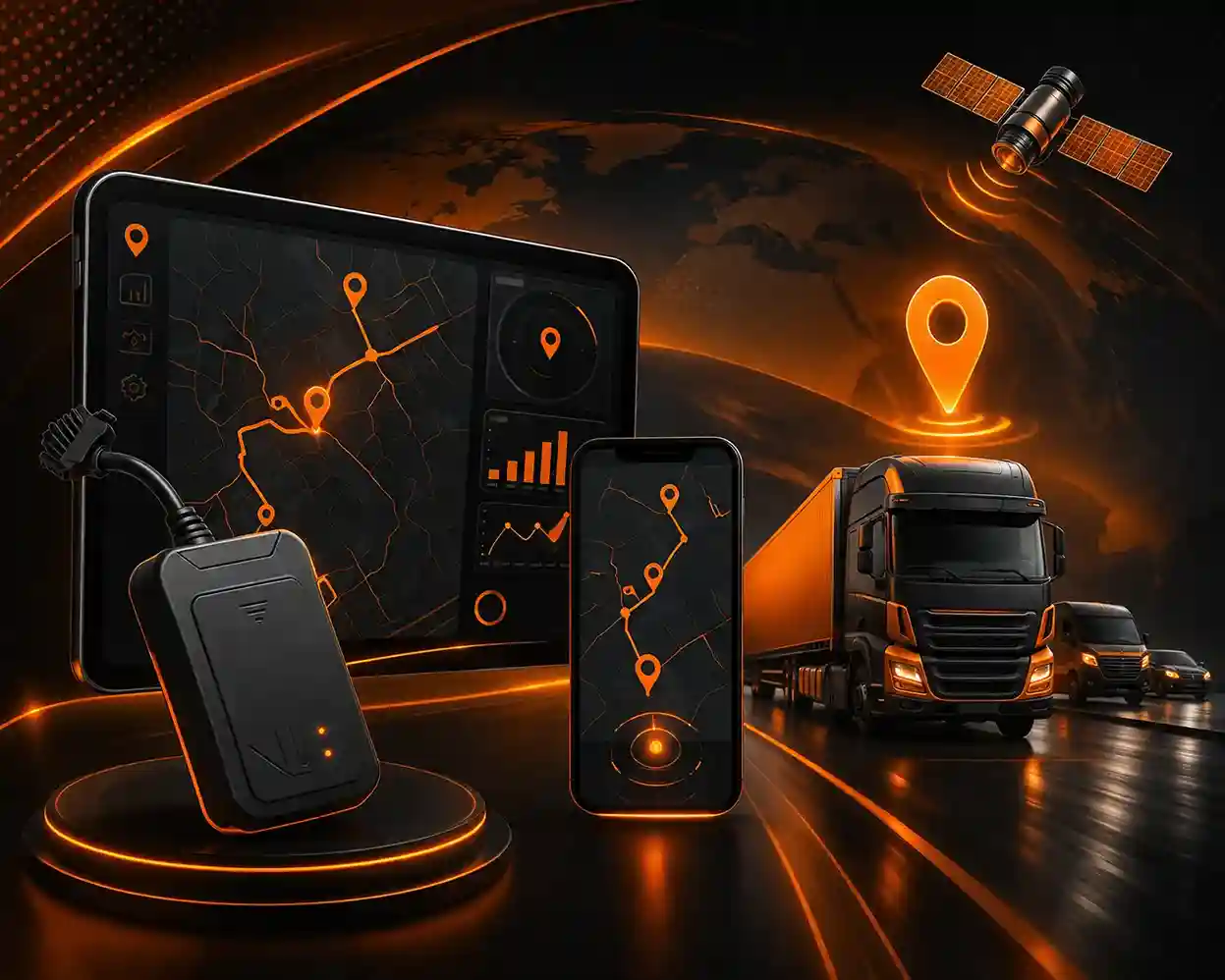
In today's fast-paced business environment, efficient fleet management is essential for improving productivity, reducing operational costs, and delivering excellent customer service. Businesses that rely on transportation, whether for deliveries, logistics, field services, or employee travel, require complete visibility over their vehicles. This is where vehicle tracking technology becomes an indispensable business tool. A modern GPS tracking solution enables organizations to monitor vehicle movements in real time, optimize routes, improve driver behavior, and protect valuable assets.
A reliable vehicle tracking system is much more than a location monitoring solution. It combines intelligent software with advanced hardware to provide actionable insights into fleet operations. From improving fuel efficiency to enhancing security, businesses of all sizes are increasingly adopting fleet tracking solutions to streamline operations and maximize profitability. Whether you have one vehicle or many, the right GPS tracking solution helps you manage your fleet more easily, improve efficiency, and keep track of your vehicles in real time.
1. Real-Time Vehicle Monitoring
A GPS vehicle tracking system provides live visibility of fleet movements, allowing businesses to monitor vehicles in real time through a mobile app or web dashboard. This improves operational control and enables faster decision-making.
With a GPS vehicle tracker, fleet managers can:
- Track vehicle locations 24/7
- Monitor trip progress
- View travel history
- Check vehicle speed
- Receive instant movement alerts
This level of visibility enables better coordination between drivers and dispatch teams while supporting accurate live location tracking for customers awaiting deliveries or services.
2. Improve Fleet Efficiency
A professional fleet tracking system helps businesses eliminate unnecessary travel and improve overall fleet productivity.
Route Optimization
The GPS fleet vehicle tracking system identifies the fastest and most efficient routes, helping drivers avoid traffic congestion and road closures.
Benefits include:
- Reduced travel time
- More completed trips
- Better vehicle utilization
- Improved customer satisfaction
3. Reduce Fuel Costs
Fuel expenses account for a major portion of fleet operating costs. A GPS based vehicle tracking system helps reduce fuel consumption by monitoring driving patterns and eliminating wasteful practices.
The system identifies:
- Excessive idling
- Speeding
- Harsh acceleration
- Unnecessary detours
- Unauthorized vehicle usage
By encouraging responsible driving habits and optimized routing, businesses can reduce fuel expenses while improving overall fleet performance.
4. Enhance Vehicle Security
Vehicle theft and unauthorized usage can result in major financial losses. Installing a vehicle GPS tracker greatly enhances fleet security.
Modern car tracking device solutions provide:
Theft Alerts: Instant notifications whenever suspicious vehicle movement is detected.
Geofencing: Businesses can create virtual boundaries around operational areas. Alerts are generated whenever vehicles enter or leave predefined locations.
Faster Vehicle Recovery: A GPS tracker for vehicles provides accurate location information, improving the chances of recovering stolen vehicles quickly.
5. Improve Driver Safety
Safe driving protects employees, reduces insurance claims, and minimizes vehicle damage.
A telematics system monitors important driving behaviors such as:
- Harsh braking
- Sudden acceleration
- Overspeeding
- Long idle times
- Driver working hours
Managers can analyze reports, identify risky behavior, and provide targeted driver training. Improved driving habits lead to fewer accidents and lower maintenance costs.
6. Lower Vehicle Maintenance Expenses
Unexpected vehicle breakdowns affect productivity and increase repair costs. A vehicle tracking device helps businesses implement preventive maintenance.
Maintenance features include:
Mileage-Based Service Reminders: Schedule servicing according to distance traveled.
Engine Hour Monitoring: Track engine usage for timely maintenance.
Maintenance History: Store complete service records for every vehicle.
Regular maintenance improves vehicle lifespan and reduces costly emergency repairs.
7. Deliver Better Customer Service
Customer expectations continue to rise, especially regarding delivery accuracy and response times.
A real time vehicle tracking system allows businesses to:
- Share accurate delivery updates
- Provide estimated arrival times
- Respond quickly to customer inquiries
- Improve scheduling accuracy
Reliable GPS tracking creates greater transparency, helping businesses build trust and improve customer satisfaction.
8. Increase Employee Accountability
Employees are more likely to follow company policies when they know vehicles are monitored through a vehicle tracking system.
Managers can review:
- Daily working hours
- Route deviations
- Unauthorized stops
- Vehicle utilization
- Travel history
This encourages responsible vehicle usage and helps businesses maintain operational discipline across the fleet.
9. Simplify Fleet Management
Managing multiple vehicles manually can be challenging. A centralized commercial vehicle GPS tracking system simplifies fleet administration.
Fleet managers can:
Monitor Multiple Vehicles: View the entire fleet on one dashboard.
Generate Reports: Detailed reports include fuel consumption, driver performance, mileage, trip history, and vehicle utilization.
Remote Fleet Management: Access real-time information from any location using smartphones or web applications.
This improves decision-making and operational control.
10. Improve Business Productivity
A reliable GPS vehicle tracking device automates many fleet management processes, allowing businesses to operate more efficiently.
Key productivity benefits include:
- Faster dispatching
- Better route planning
- Reduced paperwork
- Improved communication
- Efficient resource allocation
With accurate operational data, businesses can make informed decisions that improve profitability and customer service.
Choosing the Best GPS Tracking Solution
Selecting the right GPS tracking device depends on your business size and operational requirements.
Important Features to Consider
When choosing the best GPS tracker for car or the best vehicle GPS tracker, look for:
- Real-Time Tracking: Monitor vehicles with accurate location updates.
- Mobile Application: Access fleet information anytime and anywhere.
- Geofencing: Receive alerts whenever vehicles move beyond designated operational zones.
- Driver Behaviour Monitoring: Analyze driving performance to improve safety.
- Maintenance Notifications: Receive automated service reminders.
- Historical Reports: Review previous trips to identify trends and improve planning.
A high-quality GPS tracking system for cars combines these features into one user-friendly platform.
Industries That Benefit from GPS Vehicle Tracking
Businesses that use vehicles for their daily operations can improve efficiency, safety, and fleet management by using a vehicle tracking system.
Industries include:
- Logistics and transportation
- Courier services
- E-commerce delivery
- Construction companies
- Manufacturing
- School transportation
- Healthcare services
- Utility companies
- Food delivery businesses
- Field sales teams
Conclusion
A modern vehicle tracking system has become an essential investment for businesses that depend on transportation. By implementing an advanced GPS tracking solution, organizations can improve fleet efficiency, reduce fuel costs, strengthen vehicle security, enhance driver safety, and deliver superior customer service. From small businesses using a mini GPS tracker to large enterprises deploying a GPS vehicle tracking system across hundreds of vehicles, the benefits are measurable and long-lasting.
Choosing the right GPS tracker for vehicles enables businesses to streamline operations, reduce unnecessary expenses, and improve decision-making through real-time data. As technology continues to evolve, investing in a reliable fleet tracking system is no longer a luxury but a necessity for organizations seeking sustainable growth, improved productivity, and a competitive advantage in today's market.