

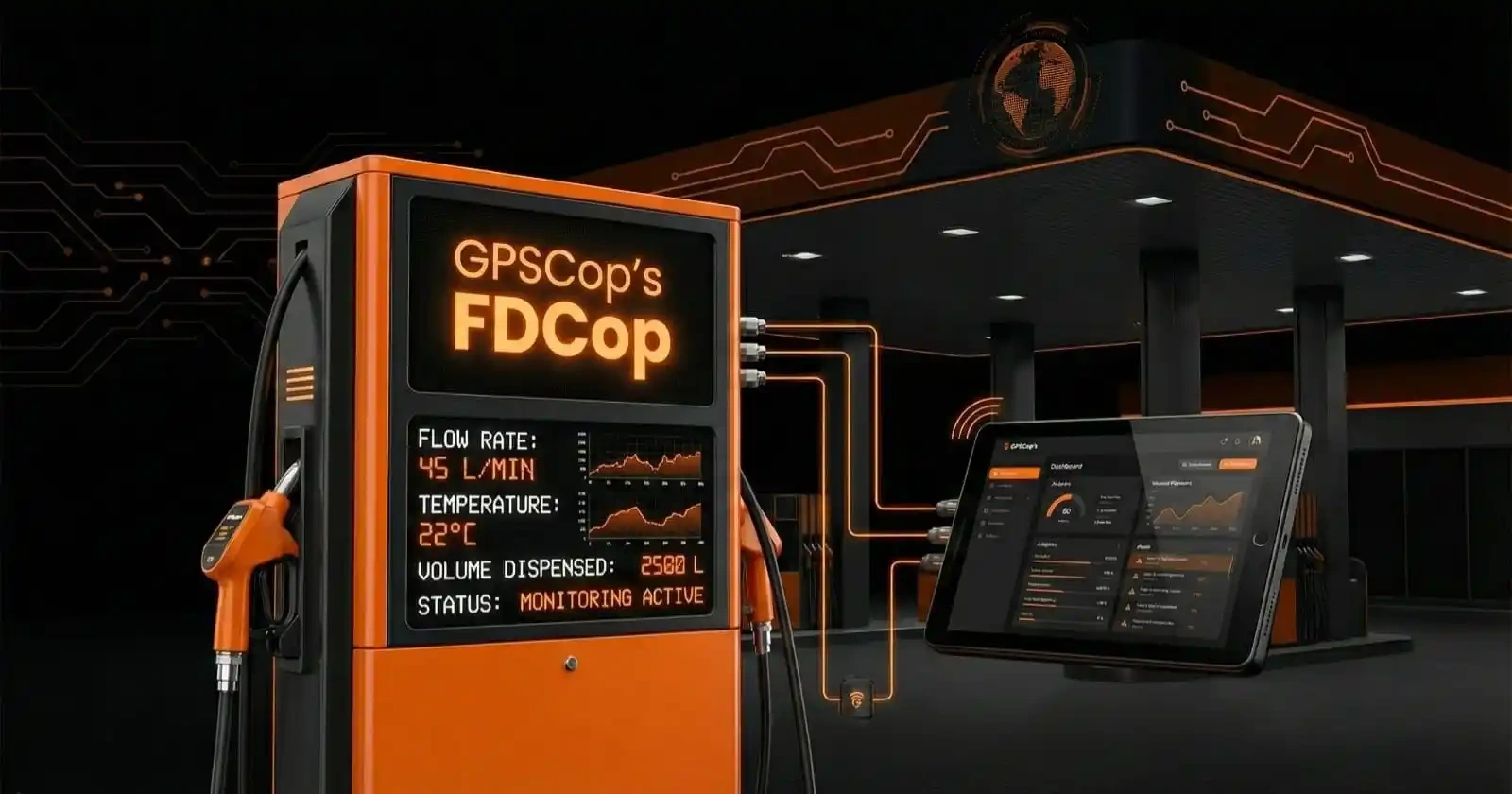
Fuel stations today face several operational challenges—fuel theft, inaccurate dispensing, pump malfunction, manual errors, and a lack of real-time tracking. With rising fuel prices and customer expectations, petrol pump owners must ensure every litre is accounted for and every transaction is transparent. This is where a Fuel Dispenser Monitoring System becomes essential.
A fuel dispenser monitoring system is a smart, IoT-enabled solution that tracks the performance, fuel flow, transactions, and health of fuel dispensers in petrol pumps. It ensures accuracy, prevents leakage or theft, and provides complete visibility to station owners through a digital dashboard. Automating reporting and monitoring pump activities 24/7 improves reliability, operational efficiency, and revenue protection.
This complete guide explains what a fuel dispenser monitoring system is, how it works, what features it offers, and why every modern fuel station needs it.
Introduction to Fuel Dispenser Monitoring System
A fuel dispenser monitoring system is a combination of IoT sensors, digital meters, cloud dashboards, and analytical tools that track fuel movements inside fuel dispensers. It provides real-time data to petrol pump owners regarding:
- Fuel dispensing volume
- Fuel flow rate
- Pump performance
- Nozzle activity
- Sudden drops or leakage
- System errors or tampering attempts
The solution gives complete visibility over every litre dispensed, ensuring accuracy, transparency, and efficiency at fuel stations.
How Does the System Work?
The system uses advanced sensors installed inside the dispenser. These sensors monitor:
- Fuel flow rate
- Pressure levels
- Pump motor activity
- Nozzle ON/OFF actions
- Fuel tank-to-pump movements
All this data is transferred securely to a cloud dashboard, allowing station owners to monitor operations from anywhere. Alerts notify them immediately if any unusual activity occurs.
Why Fuel Stations Need Fuel Dispenser Monitoring
Fuel stations are prone to:
- Pilferage
- Leakage
- Calibration fraud
- Meter manipulation
- Employee misconduct
- Uncontrolled dispensing
- Inefficient manual reporting
A monitoring system eliminates these problems by adding automation, visibility, and accuracy to daily operations.
Key Features of a Modern Fuel Dispenser Monitoring System
1. Pump Performance Tracking
With a reliable fuel pump monitoring system, petrol pump owners can track the performance of each dispenser. It shows real-time operational status, pump cycles, pressure variations, and possible faults. This helps reduce breakdowns and ensures smooth customer service.
2. Fuel Flow Rate & Volume Accuracy
A smart fuel flow rate monitoring setup measures how much fuel passes through the dispenser every second. It identifies discrepancies, leakage, or manipulation, ensuring that the amount displayed to customers matches the actual fuel dispensed.
3. Advanced Station-Wide Automation
Modern fuel stations use a fuel station management system to centralise all operations—from pump activity and tank levels to employee control, shifts, transactions, and customer traffic. This automation reduces manual workload and eliminates errors.
Other Important Features
Real-Time Alerts
Alerts notify owners of:
- Sudden changes in flow rate
- Abnormal pump behaviour
- Possible theft
- Low fuel levels
- Meter tampering
IoT Connectivity
IoT-enabled communication ensures continuous data transfer without interruptions.
Transaction History & Reports
Daily, weekly, and monthly reports help fuel stations make better decisions based on real data.
Reduced Manual Errors
Automation removes the need for handwritten logs, which are often inaccurate or manipulated.
Remote Access Dashboard
Owners can monitor the petrol pump even if they are not physically present.
Benefits of a Fuel Dispenser Monitoring System
1. Prevents Fuel Theft
Constant monitoring detects unauthorised dispensing or hidden leakage.
2. Improves Operational Efficiency
Faster decision-making, better pump performance, and fewer breakdowns.
3. Enhances Customer Trust
Accurate fuel dispensing builds reputation and trustworthiness.
4. Reduces Financial Loss
Prevents both minor and major losses by identifying fraud and mismanagement.
5. Ensures Compliance
Helps fuel stations meet legal and operational standards for accuracy and safety.
Who Can Use This System?
A fuel dispenser monitoring system is ideal for:
- Petrol pump owners
- Fuel retail chains
- Fleet fueling stations
- Large corporations managing private fueling units
- Govt. fuel distribution points
The Future of Fuel Dispenser Monitoring
With AI-driven analytics, predictive maintenance, and IoT connectivity, fuel stations are becoming smarter and more secure. Automated alerts, digital transaction logs, and unmatched transparency will redefine the future of petroleum retail management.
Conclusion
A petrol pump management system is no longer optional—it is a necessity for modern fuel stations aiming to prevent losses, increase operational transparency, and build long-term customer trust. With real-time monitoring, automated alerts, and intelligent analytics, the system ensures every drop of fuel is accounted for, and every transaction is accurate.