

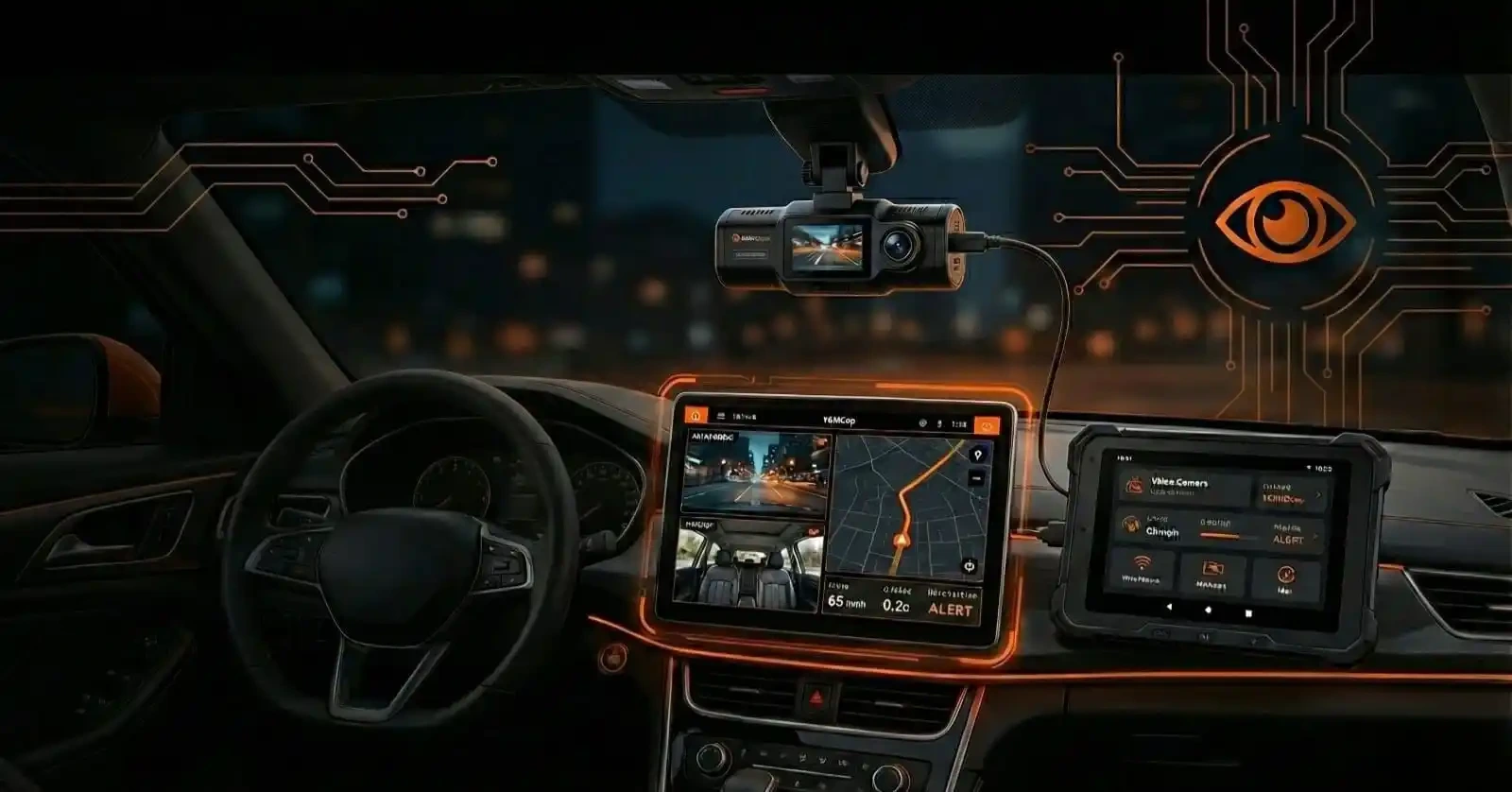
Road safety, driver accountability, and operational transparency have become the foundation of modern fleet management. As business owners face rising risks such as false accident claims, fuel misuse, harsh driving, and inefficient route planning, the need for reliable visual evidence and real-time monitoring has increased. This is exactly where a Dashcam Monitoring System becomes valuable. It is not just a camera but a complete safety and monitoring solution designed to protect drivers, assets, and the entire fleet.
Dashcam monitoring has now evolved into one of the most trusted tools for transportation companies, logistics providers, delivery fleets, school buses, rental cars, and commercial vehicle operators. With advanced features like real-time video, cloud storage, GPS integration, AI alerts, and dual camera systems, it helps fleet owners stay completely informed about every trip and every minute on the road.
What Is Dashcam Monitoring?
Dashcam monitoring refers to the use of cameras installed inside a vehicle to record the road, the driver, and any incidents that may occur during the journey. Earlier, dashcams were simple recorders that captured footage for later viewing. But today's solutions are upgraded with smart sensors, AI-powered alerts, live video streaming, and data analytics.
The system helps detect:
- Unsafe driving behaviour
- Distracted driving
- Speeding
- Collisions and near-miss events
- Route deviations
- Night driving risks
For companies that depend on smooth transportation, the ability to monitor and respond to incidents in real time makes a huge difference.
How Dashcam Monitoring Works
A dashcam continuously records high-quality video during the entire trip. Depending on the model, it can store footage locally or send it to a secure cloud dashboard. Fleet managers can log in and watch live footage or review any incident within seconds.
Most systems include:
- HD road-facing camera
- Driver-facing camera
- GPS tracking
- AI sensors for drowsiness and distraction
- G-sensors for impact detection
- Cloud footage backup
- Real-time alerts via mobile or web dashboard
This combination ensures that fleet owners always know what is happening on the road.
Why Dashcam Monitoring Matters for Fleets
As transportation volumes increase, so do road challenges. Dashcam monitoring helps prevent revenue loss, increase safety, and improve performance. A powerful solution like a Fleet Dashcam System allows companies to maintain transparency, handle customer disputes, control driver activities, and ensure that vehicles are used responsibly.
Many fleets that previously faced frequent accident claims found that installing dashcams significantly reduced false allegations. Insurance companies also prefer fleets using dashcams because they provide clear proof of the event, reducing fraudulent cases.
Key Benefits of Dashcam Monitoring
1. Strong Evidence in Case of Accidents
Dashcam footage is a powerful tool in legal or insurance-related situations. It captures the full story, prevents misunderstandings, and protects drivers from false claims.
2. Improves Driver Safety
Drivers become more cautious when they know their driving is being monitored, leading to fewer accidents and better on-road behaviour.
3. Reduces Operational Costs
Lower accident rates mean lower repair bills and insurance premiums, helping companies save lakhs every year.
4. Real-Time Location + Video
With solutions like GPS Dashcam Monitoring, fleet owners can check both the exact location and the video footage at the same time, enabling better decision-making.
5. Enhances Customer Trust
When companies provide transparent trip updates and safe transport, customer satisfaction naturally increases.
Key Features You Should Look For
✔ Dual Camera Setup
Captures the road view and the driver's behaviour simultaneously.
✔ Cloud Storage
Footage is safely stored and easily retrievable.
✔ AI-Based Alerts
Sends warnings for drowsiness, distraction, smoking, yawning, phone usage, etc.
✔ Night Vision
Ensures clear visibility during night trips or low-light conditions.
✔ GPS Integration
Tracks route history, speed, and exact location of the vehicle.
✔ Instant Alerts
Sends notifications when accidents, over-speeding, or harsh braking events occur.
How Dashcams Transform Fleet Operations
Companies with large fleet networks choose solutions such as Fleet Dashcam with GPS because it provides full visibility over every vehicle. For fleet managers, having real-time access to video and driving analytics helps reduce inefficiencies, control misuse, and maintain safety guidelines across all drivers.
Dashcam monitoring also supports driver training programs. Managers can use real footage to highlight unsafe habits and guide drivers toward safer behaviour. Over time, this leads to a visible drop in accidents and unnecessary costs.
Industries That Benefit from Dashcam Monitoring
- Transport & Logistics
- E-commerce delivery fleets
- Tourism vehicles
- School buses and institution fleets
- Taxi and ride-hailing services
- Construction and mining vehicles
- Public transport
- Cold-chain fleets
Every industry that operates vehicles can benefit from visual monitoring and real-time alerts.
Impact on Fleet Performance
The right dashcam solution can:
- Boost delivery accuracy
- Prevent theft and misuse
- Improve trip planning
- Ensure accountability
- Reduce operational delays
- Support compliance and reporting
For businesses that rely heavily on timely deliveries, a system like a Fleet Video Monitoring System can dramatically improve on-road performance and reduce unexpected disruptions.
Conclusion
Dashcam monitoring is no longer optional—it is a necessity for modern fleet operations. With rising road risks and increasing customer expectations, having real-time video, GPS tracking, and AI alerts helps companies stay safe, efficient, and fully transparent. Whether you manage 5 vehicles or 500, investing in a reliable dashcam system will protect your drivers, secure your assets, and strengthen your business operations. A smart solution like a Fleet Dashcam with GPS ensures every journey is monitored, recorded, and optimised for maximum safety and productivity.